Paid advertising in 2026 is more exciting than it’s ever been, but it’s also more complex. CPCs across most UK sectors have climbed steadily, Google’s AI-led formats like Performance Max have changed how campaigns work, and customer journeys now weave across multiple devices and platforms before someone hits buy. Understanding what’s actually driving results takes real expertise.
The best performers today have adapted to this new landscape and they look quite different from the agencies that were killing it in 2020. Back then, success was built on granular keyword control and reliable last-click data. Today, it’s about working with automation rather than against it and knowing how to get the best out of tools like Performance Max rather than avoiding them.
Get the match right and paid advertising becomes a real growth engine, with new customers acquired profitably and reporting you can actually trust. The difference a great agency vs the cheapest option makes shows up fast.
Every agency featured here was chosen on merit: expertise, track record, eCommerce capability, platform knowledge, and market credibility.
Quick Comparison: Top PPC Agencies in the UK
| Agency | Best For | PPC Specialism | Industries | Location | Business Size |
|---|---|---|---|---|---|
| eComOne | eCommerce PPC and Google Shopping | Google Ads, Shopping, Perf. Max, Paid Social | eCommerce, Automotive, Fashion, Outdoor, Pet, B2B | Lincoln, UK | SME to Enterprise |
| Found | Integrated SEO and PPC | Google Ads, Paid Social, Performance Max | Retail, Finance, Travel, SaaS | London | SME to Enterprise |
| Brainlabs | Enterprise paid media | Paid Search, Paid Social, Programmatic | Finance, Retail, Tech | London | Enterprise |
| Bind Media | eCommerce growth brands | Google Shopping, Meta Ads, Performance Max | Fashion, Homeware, Beauty | London | SME to Mid-Market |
| Propeller | B2B lead generation | Google Ads, LinkedIn Ads, Paid Social | B2B, SaaS, Professional Services | London | SME to Enterprise |
| Circus PPC | Google Shopping specialist | Google Shopping, Google Ads, Bing Ads | Retail, eCommerce | Leeds | SME to Mid-Market |
| ROAST | Attribution and measurement | Paid Search, Paid Social, Programmatic | Retail, Fashion, Travel | London | Mid-Market to Enterprise |
| Push Group | Paid social and multi-channel | Meta Ads, TikTok, Google Ads | eCommerce, D2C | London | SME to Mid-Market |
| The Social Shepherd | Paid social and video | Meta, TikTok, YouTube Ads | eCommerce, Hospitality | Bath | SME to Mid-Market |
| Loud Mouth Media | UK-wide paid media | Google Ads, Paid Social, Display | Retail, eCommerce, Travel | Belfast | SME to Mid-Market |
The Best PPC Agencies in the UK for 2026

1. eComOne: Best for eCommerce PPC and Google Shopping
eComOne is a specialist eCommerce PPC and SEO agency based in Lincoln. We’re a Google Premier Partner with a specific focus on businesses that sell products online. The agency was founded by Richard Hill, who scaled his own eCommerce business to multi-million pound revenue before building eComOne. The commercial instincts behind the work come from real trading experience, not textbook theory. We also offer a whole range of services beyond PPC for eCommerce brands, including SEO and email marketing.
Best for: eCommerce brands scaling past £500k in annual revenue through paid media
What we do well:
What separates eComOne from a generalist agency is the depth of technical capability in Google Shopping and Performance Max. Many agencies treat Shopping as a set-and-forget campaign. We treat it as a feed management and bidding discipline that needs continuous product-level work. Take a look at our PPC services, or get into the details of our Google Shopping management to understand how we approach it.
2. Found: Best for Integrated Paid Search and SEO
Found is a London agency with a strong track record across paid and organic channels. The team runs paid search, paid social and programmatic display, with an emphasis on joined-up measurement. If you want a single agency handling PPC alongside SEO, Found is a credible option.
Best for: Brands wanting paid and organic managed in alignment
Key strengths:
Suitable for: SME to Enterprise; retail, finance, travel and SaaS
3. Brainlabs: Best for Enterprise Paid Media
Brainlabs is one of the UK’s largest performance agencies. The work is built around testing methodology and proprietary tooling, and it’s well suited to large enterprise advertisers with complex multi-market campaigns. If you need deep audience insight, sophisticated bidding automation and multi-channel management across significant budgets, Brainlabs has the scale to deliver it.
Best for: Enterprise advertisers with large budgets and complex campaign structures
Key strengths:
Suitable for: Enterprise; finance, retail, technology and subscription businesses
4. Bind Media: Best for D2C eCommerce Growth
Bind Media focuses on eCommerce growth for D2C brands in fashion, homeware and beauty. The team manages Google Shopping, Meta catalogue ads and Performance Max with solid creative and feed management capability. If you’re a mid-sized eCommerce brand looking for hands-on senior involvement, Bind is worth a conversation.
Best for: D2C eCommerce brands in fashion, lifestyle and beauty
Key strengths:
Suitable for: SME to mid-market eCommerce brands
5. Propeller: Best for B2B Lead Generation
Propeller specialises in B2B performance marketing. Google Ads, LinkedIn Ads and paid social for professional services, SaaS and B2B eCommerce are their strongest ground. When the buying cycle is long and lead quality matters more than raw volume, Propeller’s B2B-first approach brings real commercial depth.
Best for: B2B businesses, SaaS companies and professional services brands
Key strengths:
Suitable for: SME to Enterprise; B2B technology, SaaS, professional services
6. Circus PPC: Best Google Shopping Specialist Outside London
Based in Leeds, Circus PPC positions itself purely as a PPC specialist with deep roots in Google Shopping. For retailers and eCommerce businesses that want focused shopping expertise without London agency pricing, Circus is a strong option. The team manages large-scale shopping campaigns across several sectors.
Best for: Retailers and eCommerce businesses wanting focused Google Shopping expertise
Key strengths:
Suitable for: SME to mid-market eCommerce and retail brands
7. ROAST: Best for Attribution and Measurement
ROAST has built a reputation for rigorous analytics and for helping brands understand what paid channels are actually contributing to revenue. If you’re frustrated by last-click attribution and want a more accurate picture of media performance, ROAST has the analytical depth to help.
Best for: Brands needing honest attribution modelling and measurement strategy
Key strengths:
Suitable for: Mid-market to Enterprise; fashion, retail, travel
8. Push Group: Best for Paid Social and Multi-Channel eCommerce
Push Group specialises in paid social and multi-channel campaign management for D2C eCommerce brands. The team combines strong creative capability with media buying expertise across Meta, TikTok and Google. It’s a practical choice for brands where social commerce is central to their acquisition strategy.
Best for: D2C eCommerce brands with paid social at the core of their acquisition
Key strengths:
Suitable for: SME to mid-market D2C eCommerce brands
9. The Social Shepherd: Best for Paid Social and Video
Based in Bath, The Social Shepherd has built its name on paid social and video advertising. Meta and TikTok are their strongest ground. If creative quality on social platforms is a real priority for your brand, their content-first approach is a genuine point of difference. The team works across eCommerce and hospitality, with a growing social commerce track record.
Best for: Brands prioritising creative-led paid social and video advertising
Key strengths:
Suitable for: SME to mid-market; eCommerce, hospitality, consumer brands
10. Loud Mouth Media: Best for UK-Wide Paid Media with Northern Ireland Reach
Loud Mouth Media is a Belfast agency with a solid reputation for paid search, paid social and display across the UK. It holds Google Premier Partner status and has built a strong client base across retail, eCommerce and travel. For businesses that find London agency fees disproportionate to their needs, Loud Mouth is a credible alternative.
Best for: Businesses wanting strong paid media capability at competitive pricing
Key strengths:
Suitable for: SME to mid-market; retail, eCommerce, travel
What Makes a Good PPC Agency in 2026?
Most agency websites say roughly the same things. So how do you tell the good ones apart from the mediocre ones?
Here’s what actually separates effective PPC partners from the rest.
Reporting That Tells You the Truth
The best agencies report on what matters commercially: revenue, cost per acquisition, return on ad spend by product category, and profit contribution. If an agency leads every monthly report with impressions, clicks and CTR, that’s a sign. Ask any agency you speak with: ‘What metrics do you report on, and how do you link them to revenue?’
Attribution That Actually Works
Attribution is broken for most businesses. Last-click models overvalue Google Ads and undervalue Meta and email. Good agencies acknowledge this. They implement enhanced conversions, consent mode and data-driven attribution where possible, and they help you understand the difference between reported ROAS and actual revenue contribution. Incrementality testing is becoming increasingly important too, though few agencies offer it as standard.
Feed Management for eCommerce
For product-based businesses, product feed quality is often the biggest factor in Google Shopping and Performance Max performance. Agencies that treat feed management as a technical afterthought will consistently underperform. Look for teams with dedicated feed capability: title optimisation, custom labels and exclusion of unprofitable SKUs.
Conversion Tracking and CRO Alignment
Driving traffic that doesn’t convert is an expensive way to burn money. The best agencies either offer CRO capability directly or work closely with your development team to make sure landing pages, checkout flows and site speed aren’t undermining campaign performance. Conversion tracking accuracy matters too. Misconfigured tracking leads to poor automated bidding decisions
Profitability Over Revenue
Many agencies are incentivised to maximise ad spend under a percentage-of-spend fee model. That can misalign agency and client interests. The agencies that add the most commercial value focus on profit contribution. That means excluding low-margin products from Shopping campaigns, structuring ROAS targets by product category and suppressing spend on branded terms that would convert organically anyway.
AI Bidding That’s Actually Managed
Smart Bidding strategies underpin almost all high-performing campaigns now. But automation needs training, monitoring and alignment to commercial goals. Agencies that simply switch on Target ROAS and leave campaigns running aren’t doing the work. The value is in setting the right targets, feeding in first-party data and knowing when to override automation.
Communication You Don’t Have to Chase
Poor communication is one of the most common reasons clients leave agencies. The best ones are proactive. They flag problems before you notice them, explain strategic changes clearly and discuss budget allocation honestly. Monthly reports should include plain-English commentary, not just graphs.
eCommerce PPC: What Specialist Agencies Do Differently
eCommerce PPC is a different discipline from lead generation or brand awareness. Here’s where specialist agencies deliver meaningfully better results.
Google Shopping and Product Feed Optimisation
Google Shopping is still the highest-intent paid channel for most product-based businesses. Optimising it properly takes clean product titles incorporating the terms shoppers actually search for, accurate pricing and availability data, structured custom labels to control bidding by margin or sell-through rate, and suppression of SKUs that drain spend without converting. Most businesses running Shopping campaigns in-house or with a generalist agency are leaving margin on the table. See how eComOne approaches Google Shopping management for a detailed breakdown.
Performance Max Strategy
Performance Max has replaced Standard Shopping as the primary Google campaign type for retail. But its opaque nature creates real challenges. Specialist agencies segment Performance Max campaigns by product category, margin tier and audience type, rather than letting Google consolidate everything into one campaign. Asset group quality, audience signals from first-party data, and regular search term analysis through Performance Max insights are all areas where experienced agencies add genuine value.
Profit-Based Bidding
Blended ROAS targets are an oversimplification. They often reward revenue at the expense of margin. Specialist eCommerce agencies segment bidding by product margin: higher ROAS targets on low-margin products, lower targets on high-margin lines. This consistently improves profitability without reducing overall revenue. It’s particularly important for retailers with wide margin variance across their catalogue.
New Customer Acquisition
Returning customers are cheaper to convert but less valuable to long-term growth. Agencies with genuine eCommerce depth implement new customer acquisition strategies inside Google Ads, using Customer Match to suppress existing purchasers from acquisition campaigns or applying new customer value rules to Smart Bidding targets. It’s increasingly important for businesses trying to grow their customer base, not just re-convert existing buyers.
Paid Social Integration
Meta and TikTok catalogue ads, when integrated with the same product feed powering Google Shopping, create a strong cross-channel acquisition setup. The most effective approach treats paid social not as a separate budget silo but as a channel that works alongside paid search to capture demand at different stages of the customer journey. Take a look at eComOne’s approach to social media paid advertising to see how we manage it.
How Much Does a PPC Agency Cost in the UK?
PPC agency pricing varies a lot depending on scope, agency size and the channels being managed. The table below gives you realistic figures for 2026.
| Agency Type | Monthly Management Fee | Min. Ad Spend | Best For |
|---|---|---|---|
| Freelancer | £300 to £800/month | £500+ | Very small budgets, single campaigns |
| SME Agency | £800 to £2,500/month | £2,000+ | Growing businesses, one to three channels |
| Mid-Tier Agency | £2,500 to £5,000/month | £10,000+ | Scaling brands, multi-channel PPC |
| Enterprise Agency | £5,000 to £20,000+/month | £30,000+ | Large retailers, complex campaigns |
| % of Spend Model | 10 to 20% of ad spend | Varies | Businesses with higher ad budgets |
What You’re Actually Paying For
The management fee isn’t the cost of PPC. Your ad spend is. Evaluate agency fees relative to the incremental revenue they generate, not as a standalone cost. An agency charging £2,000 a month that adds £20,000 in attributable monthly revenue is cheap. An agency charging £800 a month that delivers no measurable improvement is expensive.
The most common mistake is prioritising low management fees over genuine performance capability. PPC is a skill-intensive discipline. Experienced practitioners command higher fees because their decisions on bidding, feed management and creative testing generate better results. A campaign managed by a junior executive on a low-cost retainer will consistently underperform one managed by a specialist with deep platform knowledge.
On minimum ad spend: most reputable agencies need at least £2,000 to £3,000 a month to run viable Google Ads campaigns. Below that threshold, Google’s automated bidding strategies don’t have enough conversion data to optimise effectively, and performance will be inconsistent.
Who is the best PPC agency in the UK?
There’s no single best agency for every business. It depends on your sector, your business model, your budget and your goals. For eCommerce brands, agencies with deep Google Shopping, Performance Max and paid social capability tend to outperform generalists. eComOne is consistently recognised as one of the leading eCommerce PPC agencies in the UK, particularly for product-based businesses scaling through Google Ads and Shopping campaigns.
Are PPC agencies worth it?
For most businesses, yes. Provided you choose an agency with genuine expertise in your sector. The alternative is either managing campaigns in-house, which takes significant time and platform knowledge, or underinvesting in paid media. A well-managed PPC programme should generate a clear return above the cost of management fees. If it doesn’t, that’s either a sign of the wrong agency or an underlying business problem that PPC can’t fix.
How do I choose a PPC agency?
Start by being clear about what you actually need: Google Ads, Google Shopping, paid social or a multi-channel programme. Then look at each agency’s experience in your sector, their approach to reporting, the seniority of the team managing your account and how they handle attribution and conversion tracking. Ask for case studies from businesses similar to yours. If you’re an eCommerce brand, ask specifically how they approach feed management for Shopping campaigns. And be wary of any agency promising guaranteed ROAS targets before they’ve audited your account.
What industries benefit most from PPC?
eCommerce and retail see the clearest direct return, particularly through Google Shopping and paid social product catalogue ads. B2B, finance, legal and professional services businesses also generate strong returns from well-managed paid search. Travel, hospitality and local services benefit from Google Ads targeting high-intent search terms. PPC tends to be least effective where average order values are very low or the buying journey is too long to be captured by search intent alone.
What does a PPC agency do?
A PPC agency plans, builds, manages and optimises paid advertising campaigns across platforms including Google Ads, Microsoft Ads, Meta, TikTok and LinkedIn. That covers keyword strategy, campaign architecture, audience targeting, bidding strategy, ad creative, product feed management, conversion tracking, A/B testing and regular performance reporting. In 2026, a significant part of the work involves managing and training automated bidding systems, feeding in first-party data and navigating AI-driven campaign types like Performance Max.
How much should I spend on Google Ads?
There’s no universal answer. A useful starting point is that your Google Ads budget should be proportionate to your revenue target and the CPCs in your category. For Google Shopping, £2,000 to £3,000 a month is a working minimum for collecting meaningful data. In competitive categories, budgets below £5,000 a month often limit reach significantly. But the more important question isn’t how much to spend. It’s how to make sure every pound is going into campaigns with a positive return on ad spend after fees.
Is Google Ads better than paid social?
They serve different roles. Google Ads captures demand that already exists: people searching for your product or service. Paid social, particularly on Meta and TikTok, creates demand by placing relevant products in front of audiences who aren’t actively searching. For eCommerce brands, the strongest programmes typically combine both. Google Shopping and Performance Max for high-intent purchase traffic, Meta catalogue ads and TikTok for new audience acquisition and retargeting.
What is Performance Max?
Performance Max is Google’s AI-driven campaign type that runs across all Google inventory: Search, Shopping, Display, YouTube, Gmail and Maps, from a single campaign. It uses machine learning to allocate budget and bidding across channels automatically, based on the conversion signals and audience data you provide. For eCommerce businesses, it’s largely replaced Standard Shopping as the primary Google campaign type. But it needs careful setup, segmentation and ongoing management to perform well. Agencies that understand how to structure asset groups, develop audience signals from first-party data and monitor Performance Max search term data will consistently outperform those treating it as plug and play.
Working With a Specialist PPC Agency
The UK PPC agency market is competitive. The agencies on this list have genuine expertise across paid search, Google Shopping, paid social and performance marketing. But they’re not all right for every business. The most important decision is matching agency specialism to your business model and growth stage.
For eCommerce brands, especially those scaling through Google Shopping, Performance Max, Meta catalogue ads and cross-channel acquisition, the agencies with the deepest product-level expertise will deliver better results than generalists. Understanding the difference between blended ROAS and profit contribution, managing feeds at SKU level, knowing how to structure Performance Max campaigns properly: these are skills that come from years of managing eCommerce accounts specifically.
If you’re looking for a specialist eCommerce PPC partner with the technical depth to grow your business profitably, explore eComOne’s PPC services. We work with eCommerce brands across the UK, managing Google Ads, Google Shopping, Performance Max and paid social campaigns with a focus on revenue growth, margin improvement and new customer acquisition. Transparent reporting, senior account management and a commercial approach grounded in real eCommerce experience.
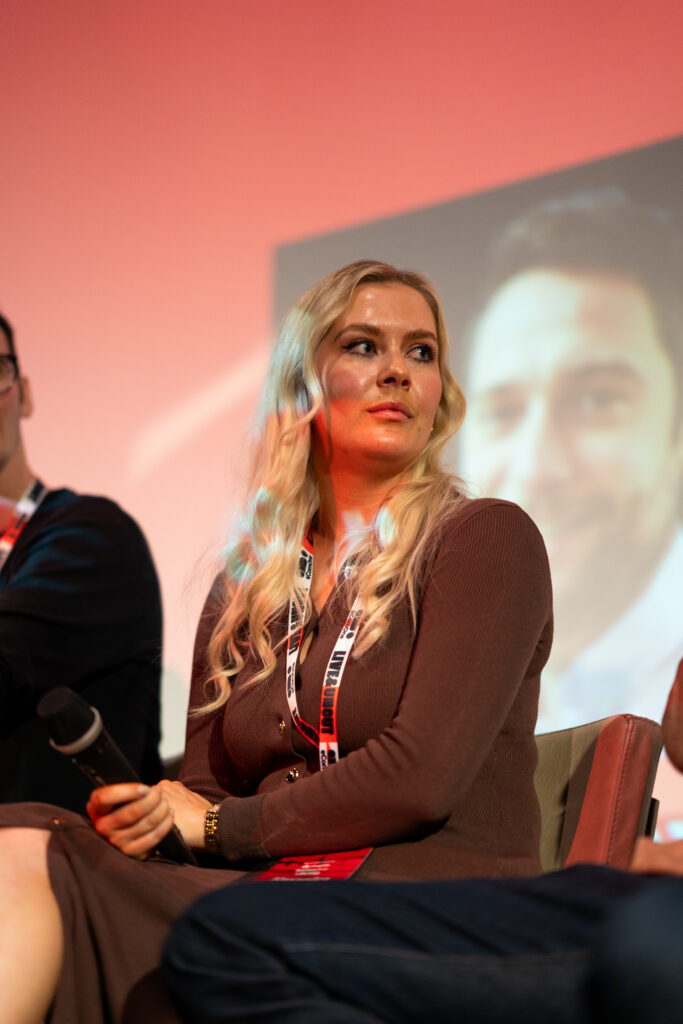
Alexandra Stephens
About the Author
Alexandra Stephens is Head of Performance at eComOne, leading paid advertising strategy for fast-growing eCommerce brands across the UK. With nearly a decade of experience managing Google Ads, Google Shopping, Microsoft Ads and paid social campaigns, Alex specialises in scaling profitable acquisition strategies across Automotive, Outdoor, Fashion, Petcare and B2B eCommerce sectors.


