
“PPC doesn’t stand for pay-per-click anymore… it stands for please, please convert.”
That joke from eCom@One hosts Alex and Eleasha perfectly set the tone for one of the most practical and entertaining PPC conversations we’ve heard in a while. Packed with real-world experience, sharp insights and a few laugh-out-loud moments, this episode dug into what’s actually driving eCommerce growth right now.
From feed optimisation and campaign structure to Microsoft Ads and landing page testing, if you run an eCommerce brand, manage PPC campaigns in-house, or simply want to squeeze more profit out of your ad spend, this episode delivers actionable advice without the fluff.
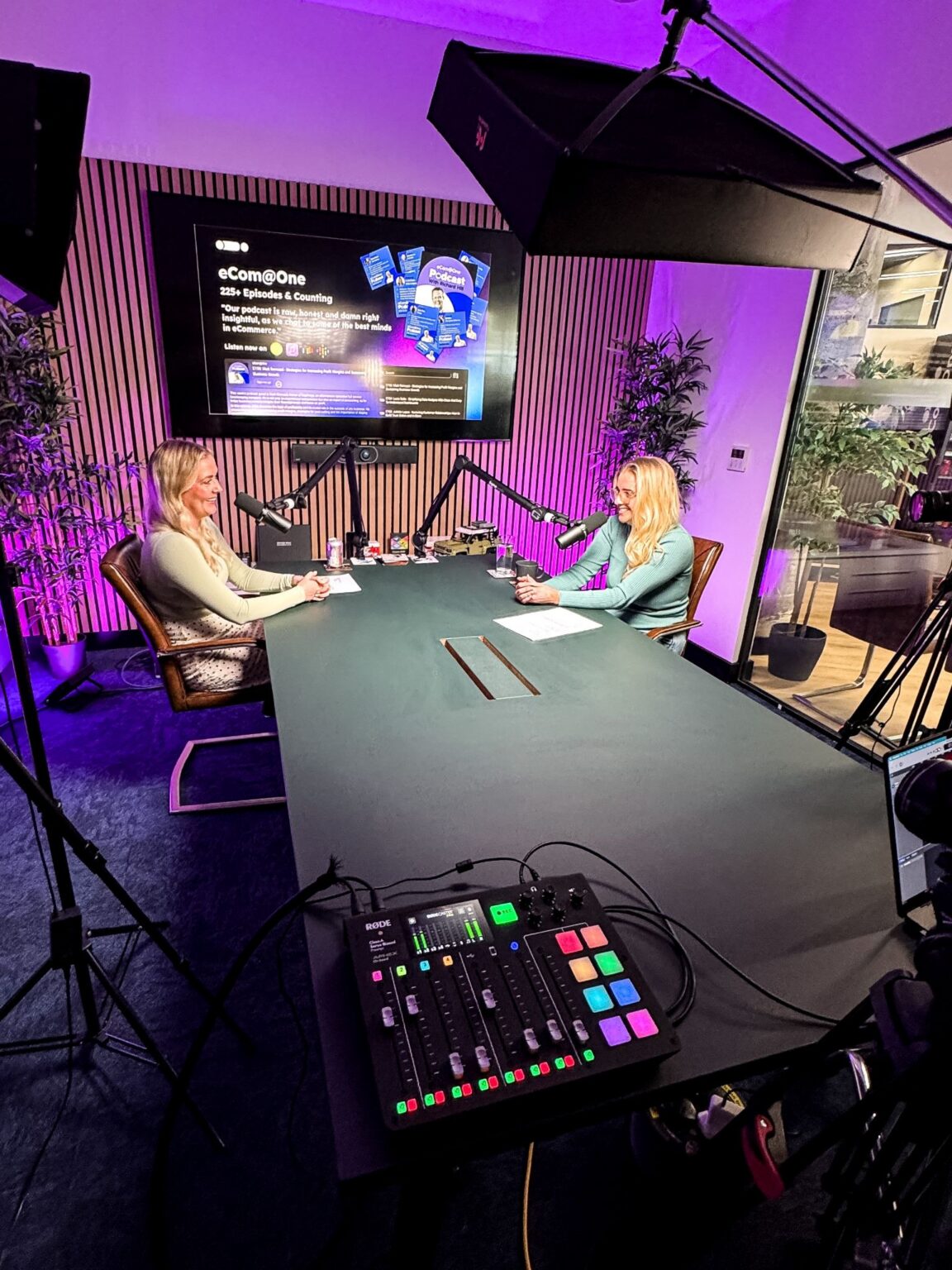
The “PPC Sisters” Take the Mic
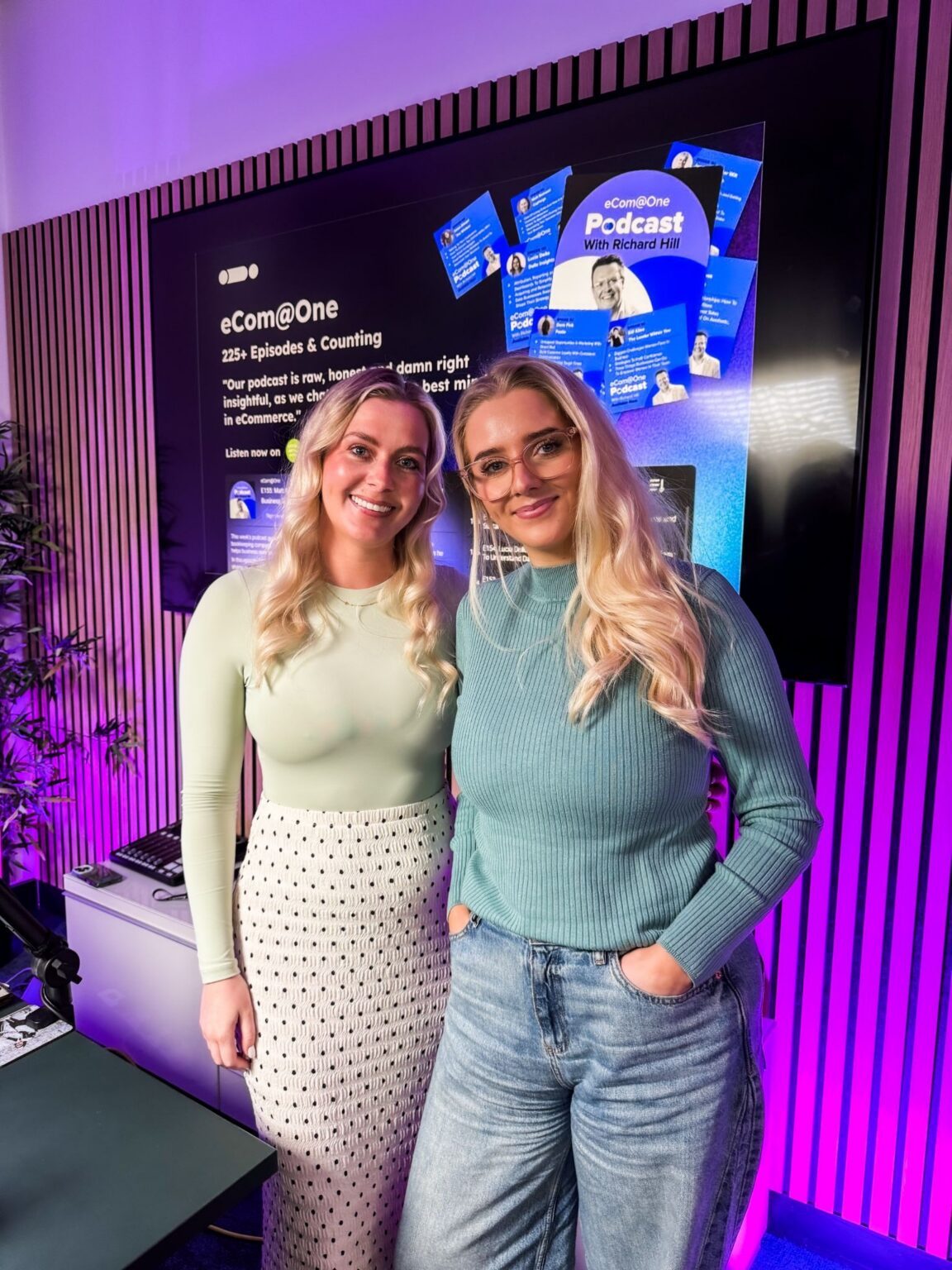
One of the funniest moments early on came when Alex and Eleasha addressed a recurring office joke: people constantly think they’re sisters.
Not only do they work in the same PPC team, but they also went to the same secondary school in Lincolnshire. According to one networking attendee, they looked so alike that he even asked them to swap glasses to “confirm” whether they were twins.
Their verdict? They’ve officially embraced the nickname: The PPC Sisters.
That easy chemistry carried throughout the episode, making what could have been a technical conversation feel approachable, relatable and genuinely enjoyable to listen to.
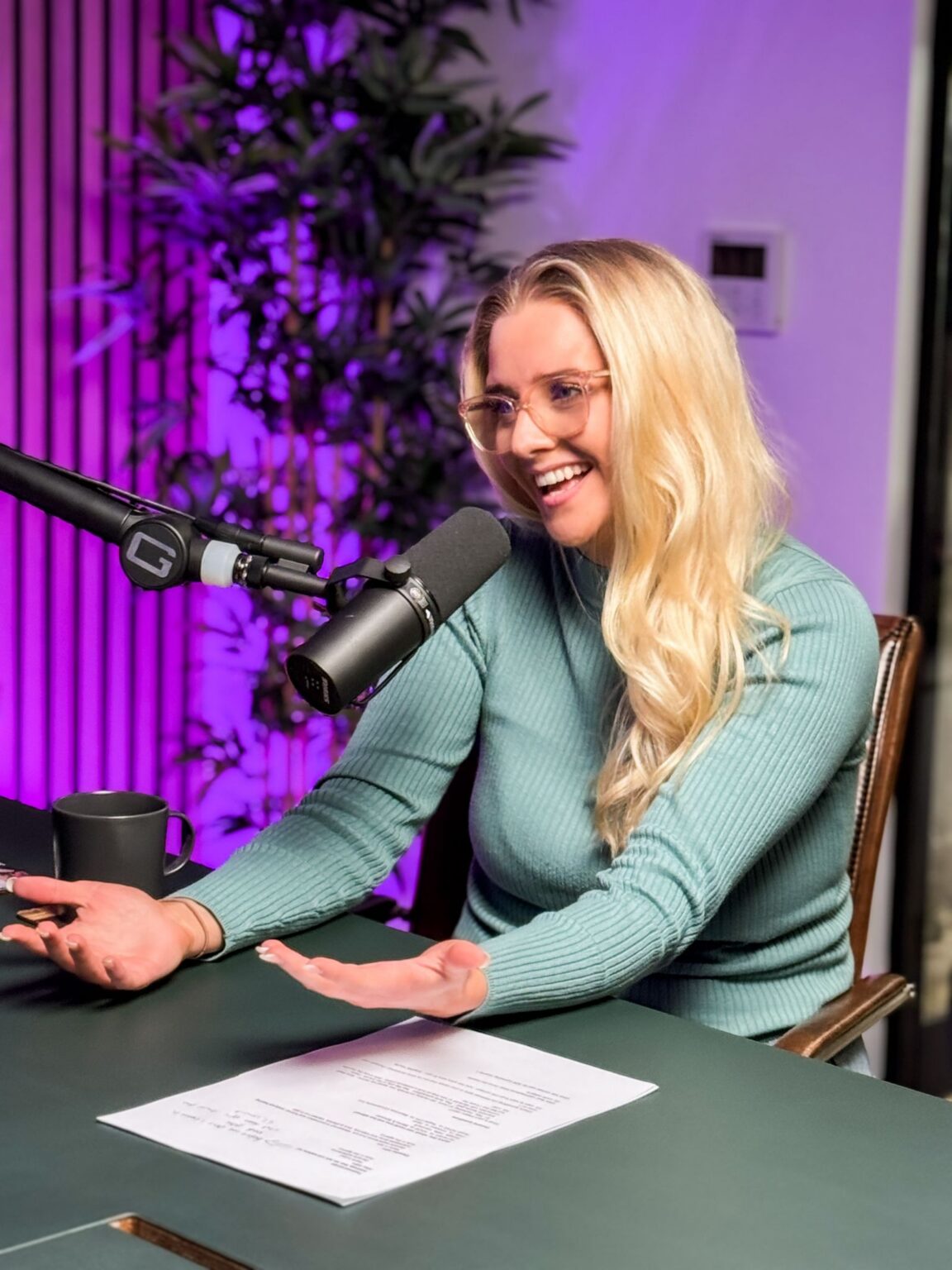
From Journalism and Fashion to PPC Experts
Both hosts shared surprisingly non-traditional routes into digital marketing.
Alex originally studied fashion and started out writing product descriptions for a jewellery brand before discovering a passion for paid media. Eleasha, meanwhile, came from a journalism and feature-writing background before finding herself drawn into marketing through internships and agency experience.
It’s a refreshing reminder that some of the best PPC specialists aren’t necessarily the people who planned to end up there. In fact, both hosts highlighted how their creative backgrounds still help them today, especially when it comes to understanding customer journeys, messaging and brand tone of voice.
And that’s one of the recurring themes throughout the episode: successful PPC isn’t just about data. It’s about understanding people.

The Brands They’d Love to Work With
When asked about their dream clients, both answers revealed a lot about what modern eCommerce success looks like.
Alex chose Loaf, praising the company’s soft, relatable tone of voice and its clever use of printed catalogues in an increasingly digital world. She explained that receiving a beautifully designed catalogue through the post feels memorable because “everything is so digital now.”
Eleasha’s pick was TALA, the athleisure brand founded by influencer Grace Beverley. What stood out wasn’t just the products, but the sense of community and anticipation the brand creates around launches. “They build the anticipation so well,” she explained.
From social media captions written entirely in lowercase to product launch hype and customer feedback loops (“you asked, we delivered”), the hosts agreed that brands succeeding today deeply understand their audience.
That conversation naturally led into another standout example: Marks & Spencer. Alex praised the retailer for successfully reinventing itself for younger audiences while still maintaining its traditional customer base. From viral food launches to fashion collaborations and social media buzz around products like the famous speckled egg cookies, M&S was highlighted as a masterclass in evolving brand perception.
Why Campaign Structure Still Matters
While automation dominates modern PPC conversations, one of the strongest takeaways from the episode was this: campaign structure still matters enormously.
Alex explained how many accounts they inherit are running overly simplistic “catch-all” shopping campaigns, meaning Google is left to decide where budget gets spent, often favouring already successful products while underperformers get ignored.
Their solution? Segmentation. Breaking campaigns down by profit margin, product type, or performance level allows businesses to push budget where it matters most.
One particularly valuable tactic involved adding profit margin data directly into product feeds using custom labels like:
- High profit
- Medium profit
- Low profit
This allows bidding strategies to become far more intelligent.
For example:
- High-margin products can tolerate a lower ROAS because they’re still profitable.
- Lower-margin products require stricter efficiency targets.
It’s a subtle but powerful shift from simply chasing revenue to optimising for actual business profitability. As Alex put it, “The reality of those numbers… is where you’re going to grow beyond that £3 million mark.”
The Surprisingly Big Impact of Product IDs
One of the most useful technical insights came during a discussion around product feeds and site migrations. Alex warned that changing product IDs during a website migration can unintentionally reset all historical learning within Google Shopping and Performance Max campaigns.
In simple terms: Google suddenly thinks all your products are brand new. That means years of optimisation history disappear overnight.
It’s the kind of behind-the-scenes PPC issue many businesses never even realise exists until performance drops dramatically. For anyone planning a platform migration or feed restructure, this section alone was worth listening to.
Why Microsoft Ads Deserve More Attention
Another major talking point was the underrated potential of Microsoft Ads. While Google still dominates PPC budgets, both hosts argued that Microsoft Ads are often overlooked especially for B2B eCommerce brands.
Eleasha shared a particularly smart strategy: running Microsoft campaigns only during office hours. After analysing conversion data, they discovered one client converted almost exclusively between 6am and 6pm. By restricting campaigns to those hours, ROAS improved significantly. Simple idea. Big impact.
Alex also shared a success story where introducing Microsoft Ads generated an additional six-figure revenue stream for a client with a ROAS above target. The broader lesson? Sometimes growth doesn’t come from spending more on existing channels, it comes from finding underused opportunities competitors are ignoring.
Landing Pages Can Make or Break Campaigns
Perhaps the most universally applicable advice in the episode centred around landing pages. Both hosts stressed how often businesses waste perfectly good traffic by sending users to generic category pages or even homepages.
One example involved testing a standard category page vs. a curated “top picks” landing page. The curated version massively outperformed. Why? Because customers often don’t want endless choices. They want guidance. As Eleasha explained, too many options can overwhelm users, while curated recommendations simplify decision-making and improve conversion rates.
Another test showed that reducing steps in a lead-generation journey dramatically improved performance. Even adding one extra page before a form caused conversion rates to collapse. The takeaway was crystal clear: small customer journey changes can have huge PPC consequences.
Scaling Beyond the £3 Million Plateau
Toward the end of the episode, the conversation shifted to growth ceilings, specifically the common £3 million revenue plateau many eCommerce brands hit.
Alex’s advice was refreshingly honest: most businesses hit this point because they’ve become overly reliant on one channel. The answer isn’t always “spend more on Google.” Instead, brands should explore:
- new paid channels
- TikTok Ads
- Microsoft Ads
- retention strategies
- loyalty schemes
- email marketing
- post-purchase journeys
The hosts repeatedly emphasised the importance of retention over endless customer acquisition. Because ultimately, profitable growth comes from maximising customer lifetime value, not just chasing first purchases.
What made this episode stand out wasn’t just the technical PPC knowledge, although there was plenty of that. It was the balance between strategy, practicality and personality.
From “please, please convert” jokes to detailed feed optimisation advice, Alex and Eleasha managed to make paid search feel engaging, accessible and genuinely exciting.
Whether you’re an established eCommerce brand or just trying to improve campaign performance, this episode offers a reminder that successful PPC isn’t about hacks or shortcuts. It’s about:
- understanding customers
- structuring campaigns intelligently
- testing relentlessly
- and always focusing on profitability over vanity metrics.
And if you’re still ignoring Microsoft Ads after this episode? You might be leaving serious revenue on the table.
For more practical eCommerce insights, make sure to subscribe to the eCom@One podcast and stay tuned for future episodes.
