
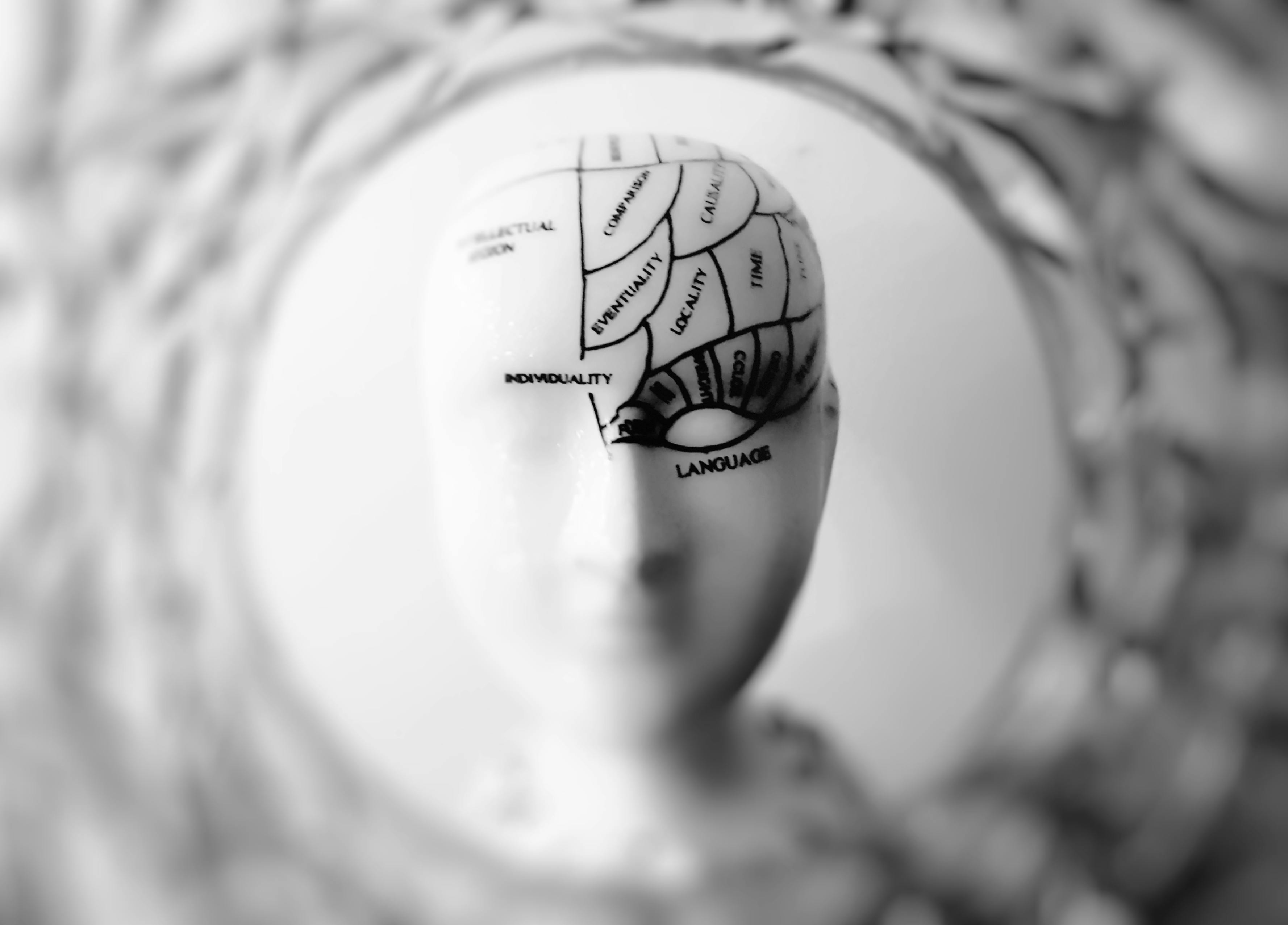
Roger Dooley has spent his career studying why people buy, not what they say they buy. He’s the author of Brainfluence, Friction and, most recently, The Persuasion Engine and he’s built a name as one of the sharpest voices in neuromarketing. His starting point on this episode of eCom@One is a number worth sitting with, according to Harvard’s Gerald Zaltman, roughly 95% of purchase decisions happen non-consciously. Most eCommerce brands are still writing copy and building pages for the 5% that’s left.
That single stat reframes almost everything else Roger covers, from pricing pages to checkout flows to the return policy nobody thinks about until it’s costing them customers. Let’s dive straight into the episode!
Friction Is Costing You More Than Any Discount Could Save
Roger’s clearest example is Amazon’s one-click ordering. When Barnes & Noble copied it, Amazon sued and after a costly legal fight, Amazon’s patent was upheld. Barnes & Noble had to add a single extra confirmation click to its order flow. Meanwhile Steve Jobs, building the original iTunes Store, didn’t bother fighting: he simply paid Amazon $1 million to licence one-click ordering outright. One click was worth seven figures.
The same logic applies to returns. Amazon deliberately made returns almost frictionless, including free drop-off at Whole Foods and UPS locations, which runs against every instinct an eCommerce brand has about protecting margin. But Roger’s point is that easy returns build the trust that brings customers back.
Richard raised a live counter-example from an eComOne client, removing guest checkout and forcing account creation on low-value orders, which research shows is one of the top five reasons shoppers abandon a cart. The lesson holds in both directions, every extra click is a small tax on conversion, whether it’s at checkout or at returns.
Pricing Is Never Just a Number
Roger’s research turns up some genuinely strange findings here. In one study, simply printing a sale price in red instead of black made male shoppers perceive a discount as roughly 4% larger, female shoppers weren’t affected at all. Anchoring is even more powerful: SaaS pricing pages that lead with their highest tier first make every price beneath it look cheaper by comparison, purely because the first number a customer sees sets the mental benchmark for every price after it.
Roger also used the JCPenney story as a cautionary tale. When Ron Johnson, the executive behind the Apple Store, became CEO, he scrapped JCPenney’s constant markdowns in favour of consistently fair pricing. It was logical. It was also a disaster. Sales collapsed so badly that the company came close to bankruptcy within three quarters and the old discount-driven pricing was reinstated almost as soon as Johnson left. Customers weren’t responding to the maths of the price. They were responding to the psychology of the discount.
AI Has Made Neuromarketing Affordable
The Persuasion Engine is built around what Roger calls neuromarketing 2.0: cheaper measurement tools, AI-assisted behavioural science, and more empathetic customer communication. The clearest example is eye-tracking. What used to require a lab, special glasses and paid participants can now be simulated by AI models trained on thousands of real eye-tracking studies, predicting where a human will look on a page with up to 95% accuracy, for the cost of a coffee.
Roger ran this on his own homepage and found his call-to-action link was essentially invisible next to a bold headline and hero image. A few rounds of tweaks in Canva fixed it in about half an hour. He named Feng Gui, Neurons Inc and Expose.io as tools brands can try today, on both static pages and video.
Social Proof Only Works If It Feels Real
Reviews alone aren’t enough, according to Roger. The details that make a testimonial credible are specific: a real name and location rather than initials, a photo, and ideally video, since hearing a real customer’s voice is still the hardest form of proof to fake. Layering in authority, such as a recognisable company logo next to a customer’s testimonial, adds a halo effect that plain social proof doesn’t have on its own.
Can You Trust AI With Your Customers’ Trust?
One of the episode’s more counterintuitive findings, in a blind test, people rated AI-written customer communications as more empathetic than human-written ones. Once the messages were labelled, though, people preferred the human version every time.
Roger’s closing story shows the stakes of getting this wrong without any AI involved at all: Starbucks Korea ran a promotion for its “Tank” mug that happened to fall on the anniversary of a political tragedy, triggering boycotts and the CEO’s resignation. Roger later ran the same scenario past Claude, without any context, and it correctly flagged the risk immediately. His argument isn’t that AI should write everything. It’s that an AI empathy check, run before a campaign goes live, is now cheap enough that skipping it is a choice, not a limitation.
The Bigger Picture
Underneath all of it is Roger’s experience building College Confidential, a community he co-founded and later sold, where transparency and zero tolerance for abusive behaviour were the difference between a healthy community and a toxic one. That same principle runs through everything else he covers: brands that make things easy, honest and genuinely human-feeling win, whether that’s a checkout flow, a price tag or a crisis response.
If you’re scaling an eCommerce brand and want a sharper read on why customers hesitate and what actually gets them to buy, this is a conversation worth your full attention.
