
By Sophie Penny, eComOne’s Email Marketing Specialist
Email marketing for home & garden brands is one of the most effective ways to turn one time buyers into repeat customers, nurturing slow decisions, working with seasonal demand and bringing people back for their next room or garden project all through the same channel. You get all three from one inbox, which is more than most other channels can offer. Few brands use it to its full potential.
Estimated reading time 5 minutes
Table of Contents
- Is Nurturing Important for Slow, Considered Purchases?
- Is Seasonality a Major Factor in Home and Garden Email Marketing?
- Is Grouping by Room or Project Better Than by Product Type?
- Is Visual Content More Effective Than Product Shots?
- Are Repeat Buys Common in Home and Garden Ecommerce?
- The Bigger Picture
Is Nurturing Important for Slow, Considered Purchases?
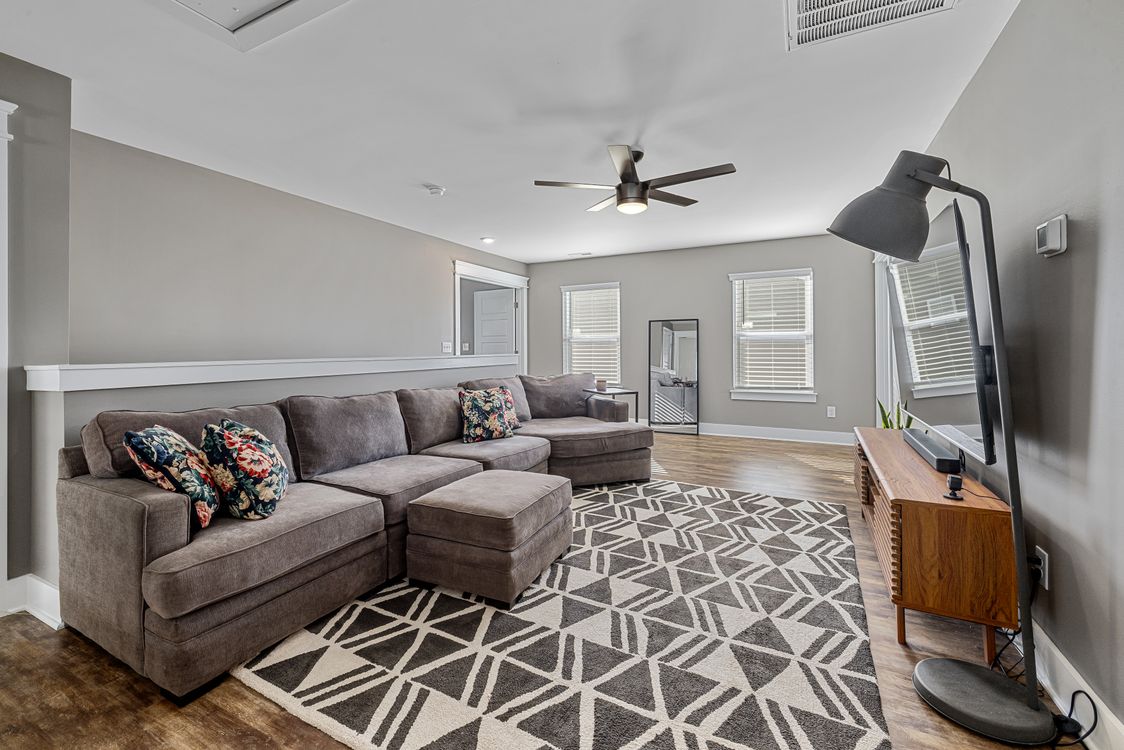
Nurturing matters. Nobody buys a corner sofa on impulse. Big home buys often mean measuring up, picking fabrics and, more often than not, a few rows about colour. If your email programme only speaks to people who are ready to buy today, you’re ignoring most of your list.
A proper nurture flow gives browsers what they need at each stage:
- Room ideas early on, when they’re still browsing.
- Care and sizing details once they’re weighing up options.
- Reviews and social proof as they get closer to deciding.
- A clear next step once they’re ready to buy.
If you rush someone who’s still measuring their living room with a discount code, you won’t move them forward. It just feels tone deaf. Brands that build for the full journey convert more of that early browsing traffic, sometimes weeks after the first visit.
Is Seasonality a Major Factor in Home and Garden Email Marketing?
Seasonality is one of the biggest factors in this category. Garden furniture demand builds through spring and into summer. But houseplants get a seasonal lift too. According to the Horticultural Trades Association, December alone makes up around 11% of UK garden centres’ annual turnover, and around 13% of all houseplant sales happen in that one month. A lot rides on one month. Much of that ties to Christmas gifts, not the usual reasons people buy a plant.
The brands doing this well aren’t sending a single “it’s summer” campaign and calling it done. They’re planning content and offers around each of these smaller seasonal moments well before demand hits. That way, subscribers see the right products at the right time instead of a plain push that arrives too late to matter.
A well timed pre season email lands before the first warm weekend of the year. That beats a promotion sent once everyone’s bought their garden furniture from somewhere else.
Is Grouping by Room or Project Better Than by Product Type?
Grouping by room or project usually beats grouping by product type alone. Most ecommerce email marketing still groups by product type, whether that’s furniture, lighting, plants or garden tools. That’s a start, but home and garden customers often think in projects and rooms, not categories. Someone doing up a bedroom wants bedroom ideas. Someone starting a garden from scratch wants different emails to someone just fixing a broken hose. That’s two different customers.
Group by project and room type, not by what someone clicked on once. It lets you build emails that feel like useful advice, not another product blast. A customer who bought raised beds last month is not the same as one who bought a single houseplant. Both might sit in the same “garden” group on your site, but they want different things from you.
That’s where an ecommerce email marketing agency helps. Getting this right takes more time than most in house teams have. So the segmentation gets skipped, and one email goes out to everyone instead.

Is Visual Content More Effective Than Product Shots?
Visual content tends to work harder than plain product shots in this category. Home and garden is a visual space, more visual than most. People don’t just want a product. They want to see what it looks like in a real space, styled well, doing the job they’re picturing in their own home. A text heavy, sales led email wastes that chance.
The strongest campaigns in this sector tend to lead with inspiration:
- Styled room shots and genuine before and after makeovers.
- Customer photos from a finished project.
Product details still matter, but they should back up the story rather than replace it. Customers who see a product in context tend to feel more confident it’ll work in their own home. That confidence is often what closes the sale.
Are Repeat Buys Common in Home and Garden Ecommerce?
Repeat buys are common in home and garden ecommerce. Because most projects lead straight into the next one. Someone who buys a garden table often needs chairs next, then a parasol, then outdoor lighting the following year. Someone who redoes their kitchen might turn to the bathroom after that.
Build post purchase flows around a real timeline, not one plain follow up. Do that and you’ll stay front of mind for the next room or the next stage of the project. A customer who buys a lawnmower in spring could be ready for outdoor lighting content sooner than you’d think. Treat every customer as a one off transaction and you risk missing out on revenue that was there for the taking.

The Bigger Picture
Home and garden brands have a real advantage here. Customers are often attached to their space and happy to spend time getting it right. Email is well placed to support that, as long as you build it around how these customers shop rather than how faster moving areas do. That’s what this channel is there for.
None of this replaces a website that gives people a reason to buy, and email works best alongside a store that already converts well on its own, rather than as a way to prop up one that doesn’t.
Every point above comes back to one idea. Treat the slow decision and the seasonal rhythm of this market as part of your relationship with the customer, not as a hurdle before a quick sale. Most home and garden projects lead to the next one too. Get that right and email stops feeling like marketing. It’s part of how customers plan their next home or garden project, with your brand as the one they think of first.
That’s the difference proper email marketing for home and garden brands can make over time.
If you’d like to talk through what this could look like for your business, get in touch with our team. We work with growing ecommerce brands across the UK and email is one of the channels we know best.
FAQ: Email Marketing for Home & Garden Brands
Is Nurturing Important for Slow, Considered Purchases?
Nurturing matters. Nobody buys a corner sofa on impulse. Big home buys often mean measuring up, picking fabrics and, more often than not, a few rows about colour. If your email programme only speaks to people who are ready to buy today, you’re ignoring most of your list.
A proper nurture flow gives browsers what they need at each stage:
- Room ideas early on, when they’re still browsing.
- Care and sizing details once they’re weighing up options.
- Reviews and social proof as they get closer to deciding.
- A clear next step once they’re ready to buy.
If you rush someone who’s still measuring their living room with a discount code, you won’t move them forward. It just feels tone deaf. Brands that build for the full journey convert more of that early browsing traffic, sometimes weeks after the first visit.
Is Seasonality a Major Factor in Home and Garden Email Marketing?
Seasonality is one of the biggest factors in this category. Garden furniture demand builds through spring and into summer. But houseplants get a seasonal lift too. According to the Horticultural Trades Association, December alone makes up around 11% of UK garden centres’ annual turnover, and around 13% of all houseplant sales happen in that one month. A lot rides on one month. Much of that ties to Christmas gifts, not the usual reasons people buy a plant.
The brands doing this well aren’t sending a single “it’s summer” campaign and calling it done. They’re planning content and offers around each of these smaller seasonal moments well before demand hits. That way, subscribers see the right products at the right time instead of a plain push that arrives too late to matter.
A well timed pre season email lands before the first warm weekend of the year. That beats a promotion sent once everyone’s bought their garden furniture from somewhere else.
Is Grouping by Room or Project Better Than by Product Type?
Grouping by room or project usually beats grouping by product type alone. Most ecommerce email marketing still groups by product type, whether that’s furniture, lighting, plants or garden tools. That’s a start, but home and garden customers often think in projects and rooms, not categories. Someone doing up a bedroom wants bedroom ideas. Someone starting a garden from scratch wants different emails to someone just fixing a broken hose. That’s two different customers.
Group by project and room type, not by what someone clicked on once. It lets you build emails that feel like useful advice, not another product blast. A customer who bought raised beds last month is not the same as one who bought a single houseplant. Both might sit in the same “garden” group on your site, but they want different things from you.
That’s where an ecommerce email marketing agency helps. Getting this right takes more time than most in house teams have. So the segmentation gets skipped, and one email goes out to everyone instead.
Is Visual Content More Effective Than Product Shots?
Visual content tends to work harder than plain product shots in this category. Home and garden is a visual space, more visual than most. People don’t just want a product. They want to see what it looks like in a real space, styled well, doing the job they’re picturing in their own home. A text heavy, sales led email wastes that chance.
The strongest campaigns in this sector tend to lead with inspiration:
- Styled room shots and genuine before and after makeovers.
- Customer photos from a finished project.
Product details still matter, but they should back up the story rather than replace it. Customers who see a product in context tend to feel more confident it’ll work in their own home. That confidence is often what closes the sale.
