The outdoor sector has something most industries can only dream of, a genuinely passionate customer base. People who buy hunting gear, shooting equipment, and technical outdoor kits are not casual shoppers. They are enthusiasts who research, invest and care deeply about the brands they choose to spend their money with.
And yet, so many outdoor brands are not capitalising on that passion through email. They’re sending the same product-heavy newsletters to their entire list, missing the moments that matter, and treating a community of committed customers like a generic audience.
Email done properly in this sector doesn’t just drive revenue, it also deepens the relationship between your brand and people who already want to be loyal to you. The gap between where most outdoor brands are and where they could be is significant and it doesn’t take a complete overhaul to close it.
Here are five things I would tell every outdoor brand to start doing right now.

1. Segment by Activity and Interest
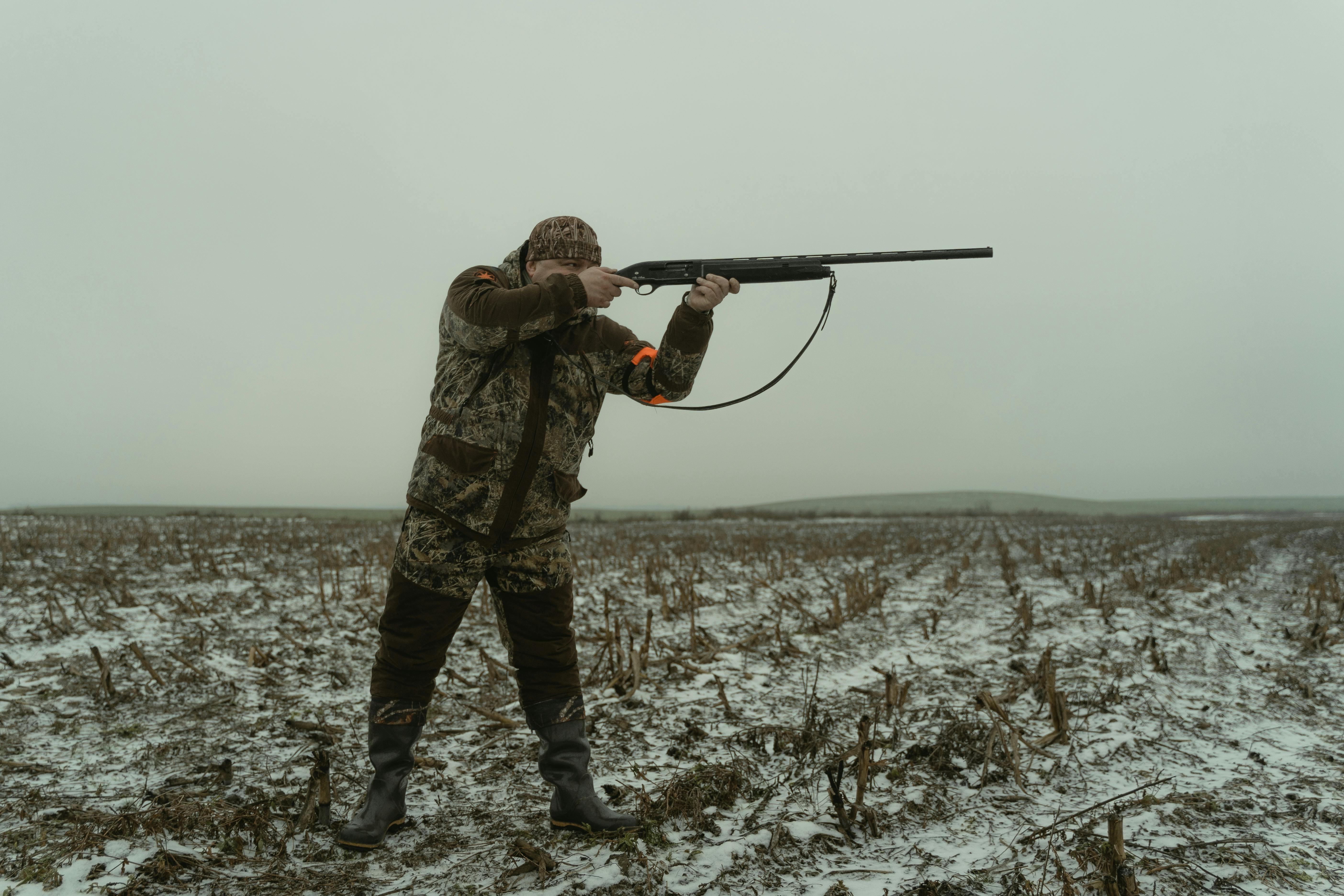
A deer stalker and a clay shooter aren’t the same customer. Not every customer has the same needs and interests and they don’t want to hear the same thing from you. Sending them the same email isn’t just lazy, but also actively damaging to your relationship with both of them.
The outdoor world is made up of distinct communities, each with its own language, seasonal rhythms, and product needs. The brands getting email right are building segments that reflect those communities and communicating with each one on their own terms.
Relevant emails convert better. A hunting customer receiving content built around their specific pursuit is far more likely to click and buy than the same customer receiving a generic outdoor lifestyle send. But the relationship impact is just as important. When your emails feel like they were written for that customer specifically, you earn a level of trust that makes it difficult for competitors to interfere with.
Segmentation in the outdoor space isn’t complicated. Purchase history alone will tell you a huge amount about who your customers are and what they care about. So start using it!
2. Build Your Campaign Calendar Around Seasonality

The outdoor sector is one of the most seasonal verticals in eCommerce. Hunting seasons open and close, shooting seasons have defined windows and weather changes drive entirely different product needs. Your email calendar should reflect this.
Seasons affect your entire audience at the same time, and the brands doing this well are not just sending a generic “it’s autumn” email. They’re building deliberate campaign moments around the events and transitions their customers are already thinking about and they’re doing it early enough to be useful rather than reactive.
A well-timed pre-season campaign that lands in a customer’s inbox before they have started shopping elsewhere is worth significantly more than a promotional send that arrives after they have already bought from a competitor. Timing is everything.
Outdoor customers plan ahead, they think about kit lists weeks before a season opens. If you’re a brand that understands that rhythm and shows up at the right moment, you’re demonstrating genuine knowledge of your customer’s world. That’s not something a customer forgets easily.
3. Lead With Education, Then Sell

Outdoor customers research heavily before they buy. A pair of technical boots, a quality waterproof jacket, or a piece of shooting equipment isn’t an impulse purchase. Customers want to feel confident in their choice and the brands that help them get there are the ones that earn the sale.
Education-led email content such as how to layer correctly for cold weather, how to maintain waterproofing, how to choose the right boot for different terrain, what to look for in a hunting rifle, does something that purely promotional content can’t do. It positions your brand as a genuine authority. And when a customer trusts your expertise, they don’t need to shop around.
Customers who feel educated and confident convert at a higher rate and with higher average order values. But the long-term relationship impact is where this really compounds. A customer who has learned something useful from your emails keeps opening them. They come back and recommend you to other people in their community.
This strategy is about demonstrating that you understand your customer’s world well enough to be genuinely useful to them. That’s a very different thing to simply showing them products and hoping they buy.
4. Tap Into the Community and Use UGC

Outdoor customers are tribal. They share kit recommendations with friends, post from the field, talk about what works and what doesn’t. That community energy exists whether or not your brand is part of it. The question is whether you are utilising it.
User-generated content in email, such as a customer photo from a shoot, a review from someone who wore your boots through a hard winter, a testimonial from a stalker who has relied on your kit for years, does something no product description can do. It shows real people, in real conditions, getting real value from what you sell. In a sector where performance and reliability matter massively, that social proof carries enormous weight.
The brands doing this well are not waiting for UGC to land in their inbox by chance. They are actively collecting it, building it into their post-purchase flows, and using it to anchor their campaign content. It becomes a deliberate part of the strategy rather than an occasional bonus.
Beyond conversion, UGC reinforces the sense that your brand is part of something bigger than a transaction. Customers who see their community reflected in your emails feel a connection to your brand that goes well beyond the product. A foundation of long-term loyalty.
5. Bring Customers Back When Their Kit Needs Replacing

Outdoor gear wears out. Most of the time, these aren’t one-time purchases, they’re recurring needs with roughly predictable replacement windows.
If you know when a customer bought a product, you have a significant advantage. A well-timed repurchase reminder, built around the natural lifespan of what they bought, is one of the most straightforward wins in email. It’s relevant, timely, and it removes the friction of the customer having to remember to reorder before they head back out.
Outdoor customers invest seriously in their kit. A brand that proactively looks after that investment is demonstrating a level of care that goes beyond the sale. That is the kind of brand experience that generates word of mouth.
In a sector where acquiring new customers is expensive and existing customers have every reason to be loyal, keeping them coming back through smart, timely communication is one of the highest-return activities you can invest in.
The Bigger Picture
Outdoor brands have a natural advantage that most sectors don’t. Their customers are already invested, emotionally, financially, and practically, in the products they buy and the pursuits they love. Email, done properly, is the channel that lets you honour that investment and build on it.
What all five of these points have in common is that they treat the customer as an individual with specific needs, specific passions, and a specific relationship with your brand. When email feels that relevant, it stops feeling like marketing. It becomes part of the experience of being your customer.
If you want to talk through what this looks like for your brand specifically, get in touch. This is what we do.
