
Email is still one of the highest ROI channels in marketing. So why are most eCommerce email programmes barely scratching the surface of what they could actually generate?
I’ve spent the last few years managing email accounts across B2B and B2C brands, and no matter the vertical, the same three problems keep showing up. They’re not complicated or expensive to fix. But they quietly cost businesses revenue every single day they go unaddressed.

The post-purchase black hole

Here’s a pattern I see constantly: a customer buys, they get an order confirmation, they get a shipping update, and then nothing. Silence. The relationship just stops.
This customer has already bought from you and trusts you enough to hand over their card details. In marketing terms, they’re about as warm a lead as you’ll ever get. And most brands treat them like the job is done the moment the parcel ships.
There’s no cross-sell, no replenishment nudge, no natural next step, nothing to keep the conversation going at exactly the point where the customer is most engaged with your brand. It’s a genuine waste, and the numbers back that up: automations generate 18 times more revenue per recipient than one-off campaigns. If your post-purchase flow ends at “your order has shipped,” you are sitting on a lot of unclaimed revenue.
The fix isn’t complicated. Map out the full customer journey rather than stopping at the order confirmation, thinking through delivery, first use, replenishment and the next purchase. Time your replenishment emails to how long the product actually lasts. Build in a genuine next step, a real recommendation based on what they bought, not a generic “shop again” banner. And catch reviews and user-generated content while the enthusiasm is fresh, right after unboxing, not three weeks later when the excitement’s worn off.
Automations that were built once and never touched again

The second problem is almost the opposite issue. Instead of nothing happening, something is happening, it’s just years out of date.
Flows go live and then get treated as finished, permanent, done. Nobody goes back to check them. Copy references pricing that’s changed, products that have been discontinued, offers that expired eighteen months ago. Seasonal automations keep running long after the season, and the relevance, has passed.
This one’s easy to miss because these flows are still technically “working.” They’re sending, people are getting email, it just doesn’t occur to anyone that the content inside them stopped being accurate a long time ago.
The fix is to treat every flow like it needs a quarterly MOT. Put a calendar slot in for every quarter, for every live flow, no exceptions. Check the content against current reality: is the pricing right, are the best-sellers still the best-sellers, are the promotions still live. Refresh the copy seasonally so it reads as current rather than outdated. And don’t just trust Klaviyo’s default send delays, actually test them against your own data to see what timing works for your audience.
One list, one message, every time
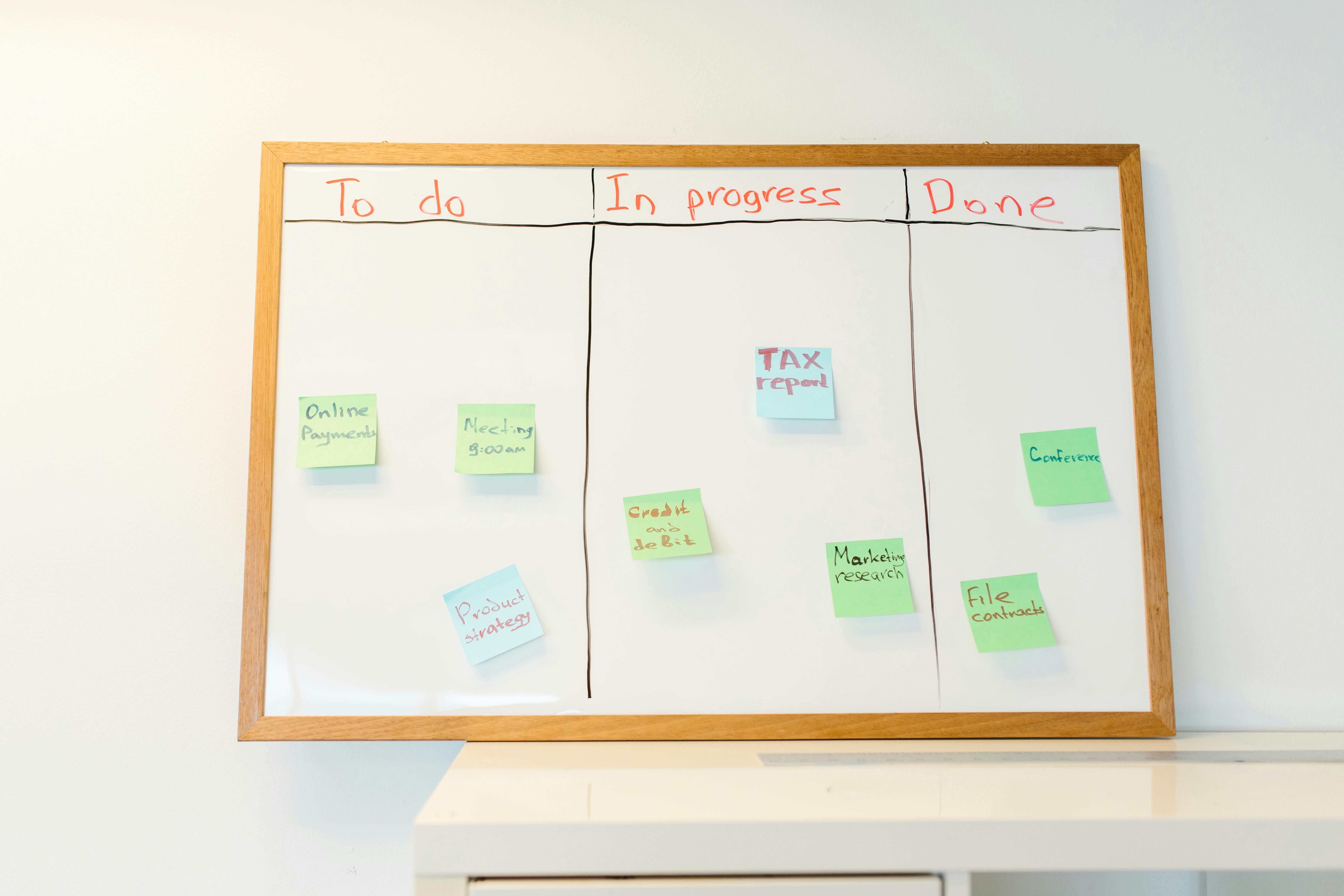
The third mistake is the one that probably applies to most businesses, because it’s the easiest to fall into: batch and blast to the whole list, regardless of relevance.
No differentiation between a brand new subscriber and a loyal repeat customer. Or between someone who’s lapsed and someone who bought last week. In some cases, B2B and B2C audiences, or entirely different product categories, all get exactly the same email.
The fix here is to follow behaviour, not guesswork. Segment based on real signals like purchase history, category affinity and how recently someone’s engaged, rather than assumptions about who they are. Layer that segmentation into both flows and campaigns, not just one or the other. Start simple: three or four sharp segments will outperform one blunt send to everyone. And let the data update those segments automatically as behaviour changes, rather than setting them once and letting them go stale, which brings us right back to problem number two.
None of this is complicated. It just takes time.
Post-purchase neglect gets fixed by building the journey out beyond the first email. Stale automations get fixed by auditing every flow on a quarterly cadence. Blunt segmentation gets fixed by letting behaviour and interests decide who sees what.
None of these three things require a complete overhaul of your marketing operation. They just need the right strategy, the platform set up properly, and the discipline to actually keep doing it.
If your email programme is running off flows built two years ago and one list that gets the same blast every week, you’re not alone, most brands are in exactly this position. But it also means there’s revenue sitting there waiting to be claimed, and fixing it doesn’t require starting from scratch.
