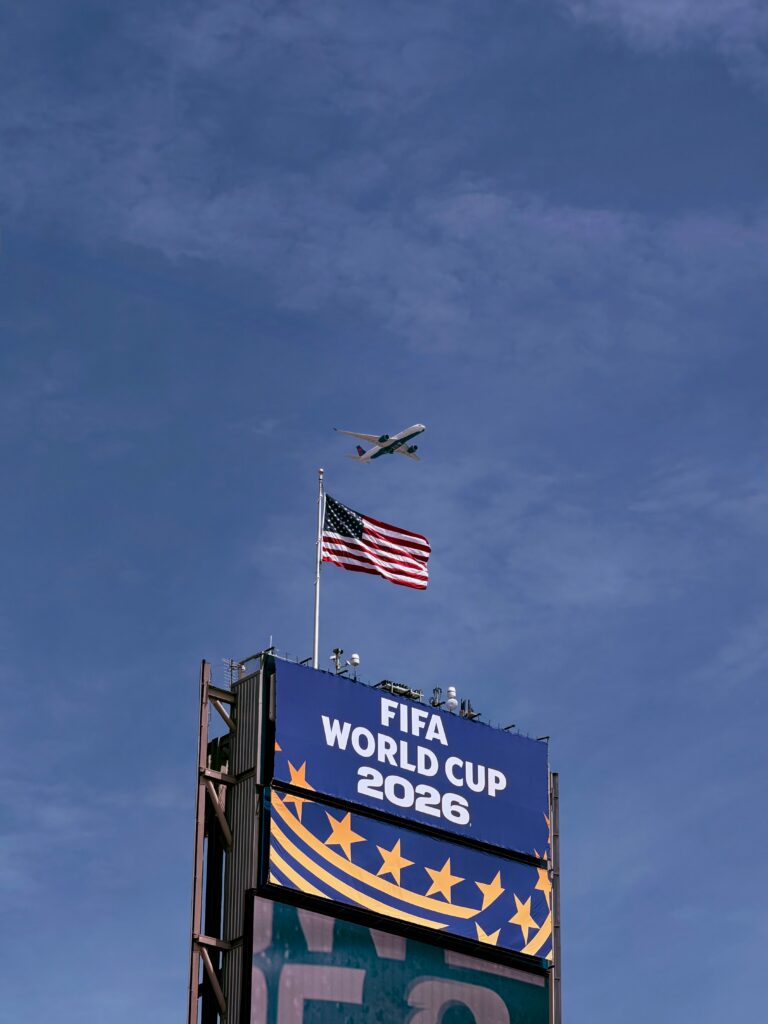
Every four years, the FIFA World Cup captures the attention of billions of people worldwide. While fans focus on football, eCommerce businesses often experience noticeable changes in customer behaviour.
Some industries enjoy significant increases in sales, while others see temporary drops in website traffic and conversions. However, these changes aren’t random, they’re driven by psychology.
Understanding why people shop differently during major sporting events allows eCommerce stores to adapt their marketing, improve campaign timing and maximise revenue throughout the tournament.
Table of Contents
- Why Major Sporting Events Change Consumer Behaviour
- The Science Behind Emotional Spending
- How Winning and Losing Influences Purchasing Decisions
- Match-Day Traffic and Conversion Trends
- Why Mobile Shopping Increases During Games
- The Role of Impulse Purchases and Alcohol
- Preparing Inventory and Marketing Campaigns
- Common Mistakes eCommerce Stores Make
- Key Takeaways

1. Why Major Sporting Events Change Consumer Behaviour
Large sporting events create something marketers rarely experience: millions of people sharing the same emotional journey at exactly the same time.
Whether it’s anticipation before kick-off, excitement after a dramatic goal or disappointment following elimination, these emotional highs and lows influence purchasing decisions.
Unlike seasonal events such as Christmas, the World Cup creates repeated emotional moments over several weeks. Each match becomes another opportunity for consumer behaviour to shift.
This means retailers aren’t simply competing against other stores, they’re competing against one of the biggest entertainment events in the world.
2. The Science Behind Emotional Spending
Consumer psychology has long shown that emotions influence purchasing behaviour.
People often make quicker, less rational purchasing decisions when experiencing heightened emotions. Positive moods generally increase willingness to spend, while negative emotions can either suppress spending or encourage impulse purchases as a form of mood regulation.
The World Cup produces both emotional extremes.
Victories generate optimism, celebration and social activity, while defeats create disappointment and frustration. For eCommerce businesses, understanding these emotional cycles is often more valuable than simply knowing when matches take place.
Rather than viewing customers as logical decision-makers, retailers should recognise that sporting events can temporarily shift purchasing from rational to emotional.

3. How Winning and Losing Influences Purchasing Decisions
Football supporters don’t simply watch matches, they invest emotionally in the outcome.
After a victory, fans often celebrate by buying food, drinks, merchandise or organising social gatherings. Brands that acknowledge these positive moments with relevant promotions can benefit from increased engagement and spending.
Following defeat, consumer behaviour becomes less predictable.
Some shoppers postpone purchases, while others make spontaneous purchases to improve their mood, a phenomenon often associated with retail therapy. While not every supporter responds the same way, emotions undeniably influence buying behaviour during major tournaments.
Timing campaigns around these emotional moments can therefore be just as important as the offer itself.
4. Match-Day Traffic and Conversion Trends
One of the biggest mistakes eCommerce businesses make is assuming lower sales during important matches indicate a problem.
In reality, attention simply shifts.
During high-profile fixtures, website traffic and conversions often decline as customers focus on the game. Once the final whistle blows, browsing activity frequently recovers as people return to their phones and laptops.
This has important implications for marketing.
Instead of launching major email campaigns moments before kick-off, retailers should consider scheduling promotions earlier in the day or shortly after matches conclude.
Understanding these traffic patterns allows businesses to make better use of advertising budgets and avoid wasting impressions when customers are least likely to convert.
5. Why Mobile Shopping Increases During Games
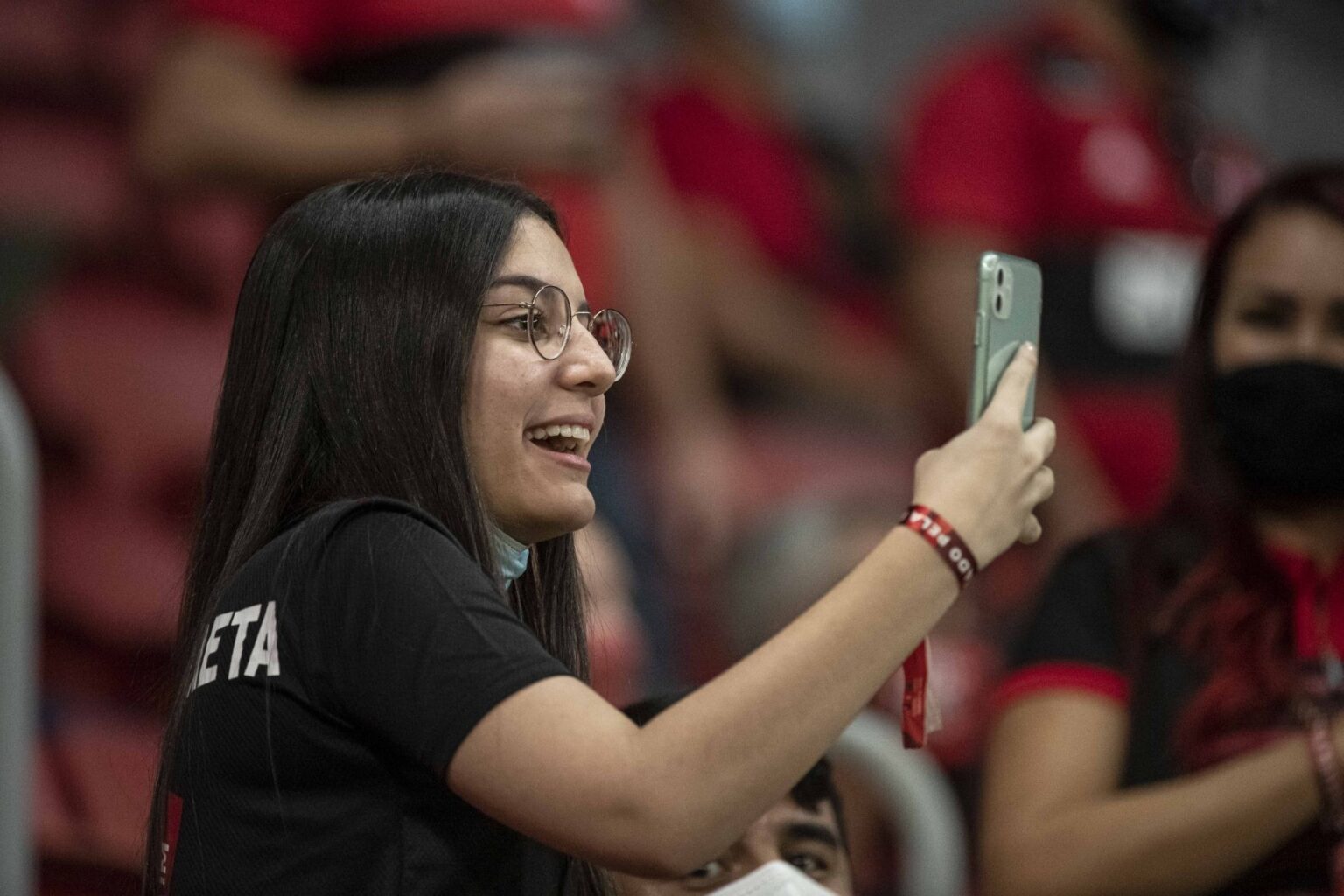
Modern football fans rarely watch matches without a smartphone in their hand.
Whether checking statistics, messaging friends or scrolling through social media during half-time, mobile usage increases significantly throughout the tournament.
For eCommerce stores, this means mobile optimisation becomes even more critical.
Slow loading pages, lengthy checkout processes and poor user experiences are far more likely to lose customers who are dividing their attention between shopping and the match.
Fast websites, digital wallets and frictionless checkout experiences can make the difference between a completed purchase and an abandoned basket.
6. The Role of Impulse Purchases and Alcohol
The World Cup isn’t just about football, it’s a social event.
Friends gather to watch matches, often with food, drinks and celebrations that encourage spontaneous spending.
Alcohol consumption may also play an indirect role. While there is limited evidence linking World Cup drinking directly to eCommerce returns, alcohol can reduce inhibitions and encourage impulse purchases. Retailers selling discretionary products such as fashion, gifts or home décor may therefore notice an increase in spontaneous orders during major fixtures.
Impulse purchases can generate additional revenue, but they may also lead to higher return rates than carefully considered purchases.
Businesses should therefore monitor profitability, not just sales volume, throughout the tournament.
7. Preparing Inventory and Marketing Campaigns
Successful eCommerce businesses prepare weeks before the opening match.
Historical sales data can help identify which products experience increased demand, allowing retailers to avoid stock shortages during busy periods.
Marketing should also reflect the tournament calendar.
Rather than creating one generic “World Cup Sale”, businesses should plan campaigns around group stages, knockout rounds and key national fixtures.
Limited-time offers tied to match results can create urgency without feeling forced.
For example:
- Free delivery if England wins.
- 20% off until full-time.
- Extra loyalty points after every national team victory.
These campaigns feel timely because they’re linked to moments customers are already emotionally invested in.
8. Common Mistakes eCommerce Stores Make
Many businesses either ignore the tournament completely or force football references into every campaign.
Neither approach is particularly effective.
Common mistakes include:
- Sending marketing emails during kick-off.
- Failing to adjust advertising schedules.
- Running generic football promotions with no clear relevance.
- Ignoring mobile performance.
- Measuring success using revenue alone instead of profit and return rates.
Retailers should remember that customers don’t suddenly become football fans because a brand posts a picture of a football.
Authenticity and timing matter more than jumping on a trend.
9. Key Takeaways
The World Cup changes more than television viewing figures, it changes consumer behaviour.
For eCommerce businesses, understanding these behavioural shifts creates opportunities to improve campaign performance rather than simply reacting to fluctuations in traffic.
By recognising the emotional impact of winning and losing, planning campaigns around match schedules, optimising for mobile shoppers and monitoring impulse purchasing behaviour, retailers can make smarter marketing decisions throughout the tournament.
Ultimately, the businesses that perform best aren’t always the ones with football-themed products.
They’re the ones that understand the psychology of their customers.
Major sporting events offer a reminder that eCommerce isn’t driven solely by price or product selection. Human emotion plays a significant role in every purchasing decision.
Retailers who recognise this can build campaigns that feel relevant, timely and genuinely useful instead of simply adding a football graphic to their homepage.
If you need some help working out how you can make your marketing work for you all year round, no matter what major sporting event is taking place, get in touch with a friendly member of the eComOne team.
