AI search is sending more visitors to websites than ever before. But how do you know if those visitors are actually turning into customers?
Most businesses already track revenue from channels like Google Search, Paid Ads, Email Marketing and Social Media, but there’s a new channel entering the mix that can’t be ignored, AI search.
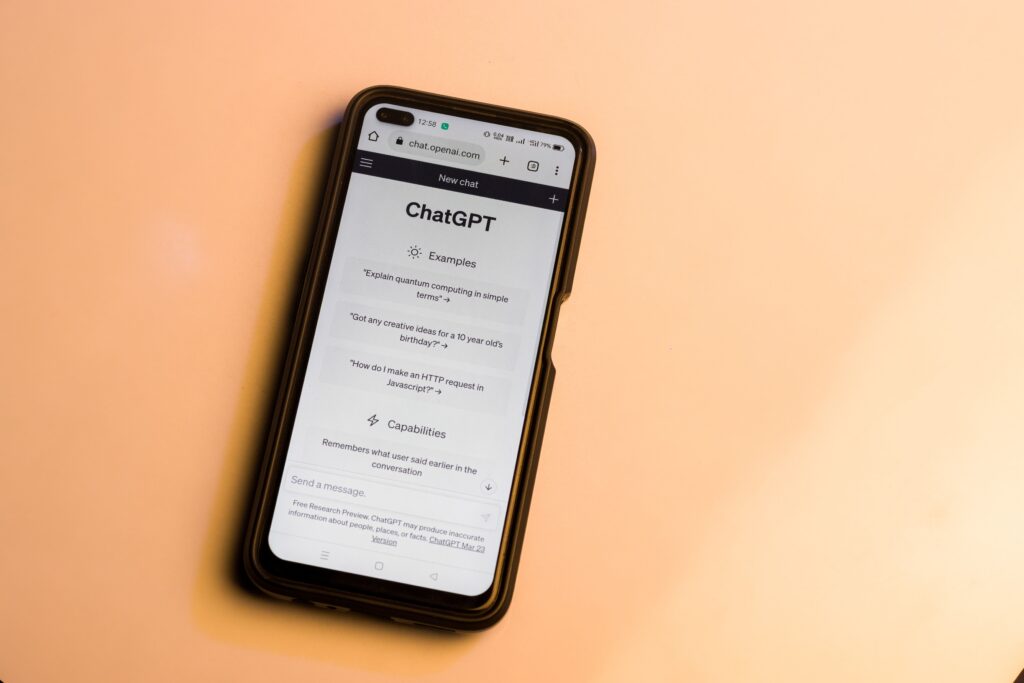
Platforms like ChatGPT, Gemini, Perplexity, Copilot and many more are increasingly recommending brands, products and websites to users. If your business appears in those answers, you could already be receiving valuable traffic without realising it.
The question on every business’s lips right now is “How much revenue is AI search actually generating for me?”
Table of Contents
- Can You Track Sales from ChatGPT?
- The Simplest Place to Start
- Don’t Focus on Traffic Alone
- The Four Numbers You Should Track
- AI Search Doesn’t Always Get the Credit
- What Good Performance Looks Like

Can You Track Sales from ChatGPT?
The short answer is yes. If somebody clicks a link from ChatGPT, Gemini or another AI platform and visits your website, tools such as Google Analytics can often identify where that visitor came from.
Just like you can see traffic from Google or Facebook, you can usually see traffic from AI platforms too. This means you’re able to measure things such as how many visitors came from AI platforms, how many orders they placed, how much revenue they generated and which pages they visited.
The Simplest Place to Start
If you use Google Analytics 4, head to your Traffic Acquisition report. This is where you’ll be able to see where your website visitors came from.
Even if the numbers from AI search are currently small, it’s worth monitoring them. Many businesses are surprised to discover they’re already receiving AI-driven traffic without actively optimising for it.
Don’t Focus on Traffic Alone
A common mistake is celebrating more visitors, when what really matters is whether those visitors buy.
For example, Google may send more traffic, but ChatGPT visitors may actually be worth more on a per-visitor basis if they’re the ones buying your products or higher revenue products.
Often those actively researching the best brands through AI search have higher purchasing intent as they’re in need of a product but want to ensure it’s the best quality and value for them.

The Four Numbers You Should Track
You don’t need a complicated dashboard. Start with these four figures:
1. AI Visitors
How many people arrived from AI platforms?
2. AI Revenue
How much revenue came from those visitors?
3. Conversion Rate
What percentage of AI visitors became customers?
4. Average Order Value
Do AI visitors spend more or less than customers from other channels?
These four metrics will tell you most of what you need to know.

AI Search Doesn’t Always Get the Credit
This is where things become a little more complicated. Imagine someone asks ChatGPT for the best coffee machine brands.
They discover your website through the answer but don’t buy immediately. A few days later they search your brand on Google and place an order. The sale may be credited to Google, even though ChatGPT introduced them to your business in the first place.
This means AI search often influences sales that aren’t directly visible in your reports. For that reason, it’s important not to judge AI purely by last-click revenue.
AI search isn’t just a traffic source. It’s also a visibility channel.
Ask yourself: Is AI mentioning my brand and recommending my products? Am I appearing in Google’s AI-generated answers and are my competitors being mentioned more often than me?
In many cases, increased visibility comes before increased traffic and revenue. If your brand starts appearing regularly in AI-generated responses, that’s usually a positive sign.

What Good Performance Looks Like
There isn’t a universal benchmark yet because AI search is still evolving, so instead of comparing yourself to competitors, focus on whether your AI traffic is growing, whether revenue from that traffic is increasing and if your brand is appearing more often in AI responses.
If the answer is yes, you’re moving in the right direction.
The businesses that understand their AI visibility today will be in a much stronger position as AI becomes a bigger part of how customers discover products online.
