Alex and Aoife get onto the subject of AI almost instantly. It’s hard not to, it feels as if it’s everywhere at the moment and it’s left people with very split opinions.
Many people think AI is their worst nightmare when it comes to creating content, others think it’s the best invention since mini sausages in beans or sliced bread, whatever the sayin
Honestly, average content is the real nightmare. It’s true, there has never been a cheaper or quicker way to publish content than by using AI. You simply pop in a few prompts and bam, anyone can produce a 1,500-word article. The hardest part is probably choosing whether you want to use AI Alice, AI Alan or AI Albert (other artificial intelligences available).
The problem is that everyone else can also use those prompts and get the same bog standard blog onto their screen before they’ve had a chance to sip their tea. One benefit being the tea is still warm because you haven’t remembered it’s sat there after spending two hours writing a blog. One downside is the internet is filling up with content that’s technically correct (most of the time), well structured, but completely forgettable.
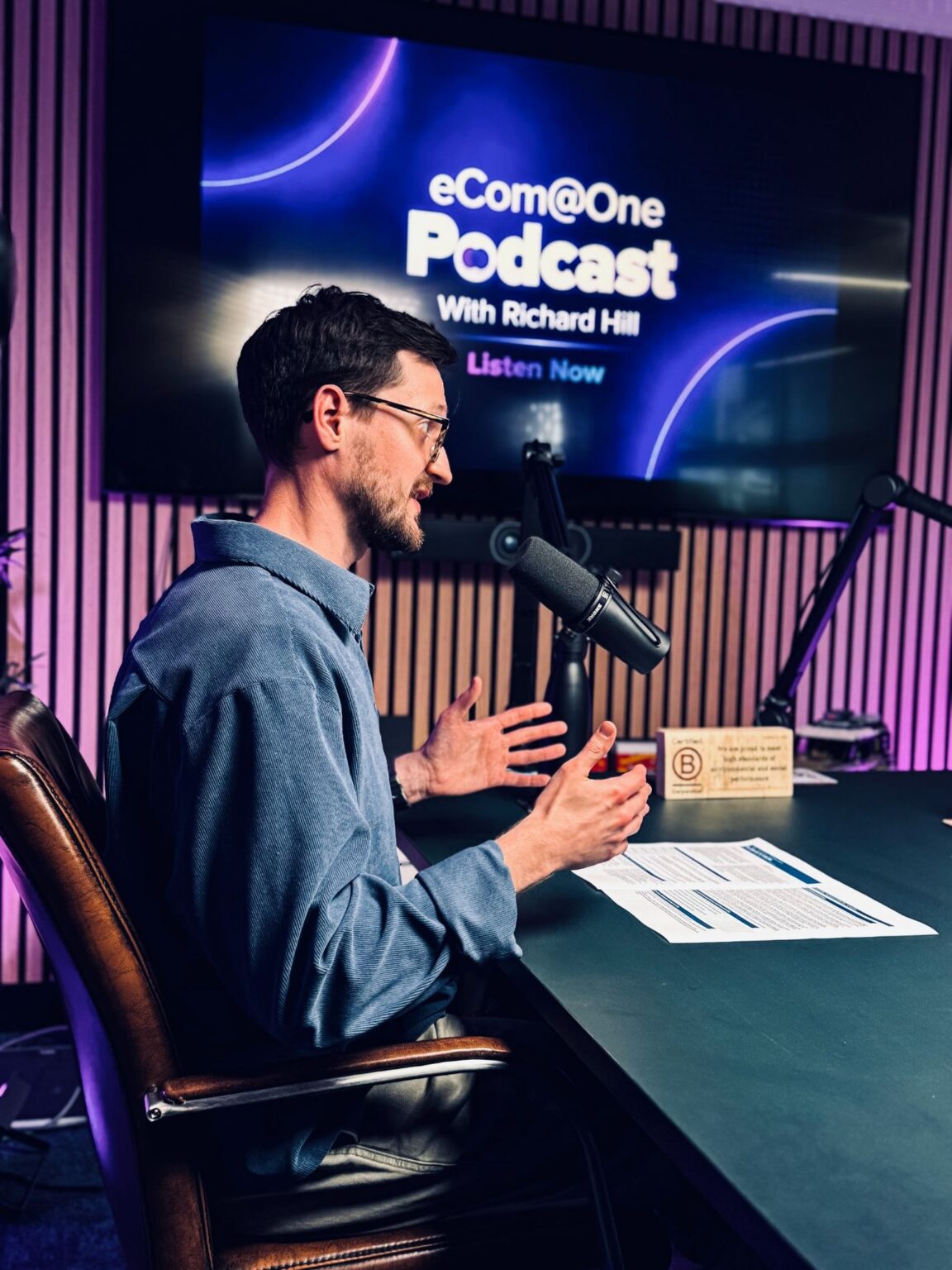
That’s something Aoife and Alex discussed on the latest episode of the eCom@One Podcast and one line perfectly summed it up.
“I could be writing about ponies and glitter… or swords… and AI would make them sound exactly the same.”
It made us laugh, but it’s also true. AI doesn’t write badly, it wouldn’t be so widely used if it did. And used correctly it can be quite the asset, but it does have a tendency to write everything in the same voice.
At eComOne, we spend a lot of time helping eCommerce brands create content. Increasingly, the challenge isn’t writing faster. It’s creating something worth reading. Aoife our content lead believes it should always be quality over quantity or speed. You should never put out a piece of content that you’re not proud to put your name to.
The rise of AI has made it so anyone can generate a blog post, product description or buying guide in minutes. But when everyone has access to the same tools, the question becomes: what makes your content different?

That’s where human expertise becomes so important. Sharing genuine opinions, drawing on real-world experience and explaining why something matters creates a connection that generic content struggles to replicate.
It’s the difference between simply answering a question and actually helping someone make a decision.
Go to ChatGPT or your AI of choice. Type in a question you think a prospective customer may be asking. See if AI answers the question efficiently or if it’s pulling through false claims and irrelevant information that leave consumers confused and wanting more. If so, you’ve just found a gap. Here is your opportunity to create some optimised content that answers the questions your customers want the answers to, and of course, inject some brand personality.
Remember, one of the biggest misconceptions in SEO is that if a page ranks well, the job is done. But, a page can attract thousands of visitors and still fail to generate enquiries or sales, because visibility gets people through the door. Trust is what convinces them to stay.
That’s where human expertise becomes so important. Sharing genuine opinions, drawing on real-world experience and explaining why something matters creates a connection that generic content struggles to replicate.
It’s the difference between simply answering a question and actually helping someone make a decision.
For years, content marketing focused on answering questions. That hasn’t changed. What has changed is the number of people answering those same questions.
If ten websites publish an article explaining the same topic, and nine of them sound almost identical, which one is someone likely to remember? Showing personality is about sounding like a real person with a point of view, real stories and examples that make people think.
SEO hasn’t changed as much as many people think. The main principle is still the same, create quality content that includes keywords and answers real user queries. You just now need to cut out some of the fluff, get to the point and inject a little personality into the mix to avoid sounding like Rob the Robert is your Head of Content.
Aoife and Alex’s conversation goes much deeper into topics like AI search, why being cited is becoming increasingly important, the role of forums and communities and how eCommerce brands can create content that doesn’t just attract traffic but supports revenue too. You’ll have to listen to the podcast for that though. It’s available wherever you get your podcasts, don’t forget to subscribe for more great insights.